

Sourdough VS. Whole Wheat: Which is the Healthier Choice
Around the world there has been an increasing rise of interest in whole grains, ancient grains and naturally fermented sourdough. People are coming out of their holes and realizing that different grains and bread types have various important nutrient and health benefits to support our bodies. They are making themselves aware and learning from each other, other home bakers they know, and absorbing new information found online.

A specific group of people (those with health, digestion and blood sugar control issues) are one of the most interested and attentive audiences to gain insight. Perhaps you are also one who is seeking real changes for your health using diet (food) and lifestyle hacks.
What Is Whole-Wheat Bread?
Whole wheat bread is increasingly on the rise and for good reason! Baking bread with whole wheat has exceptional health benefits that many people are becoming more aware of and interested in. They are reading food labels and ingredient lists. From all this they are making conscientious health food choices and switching out white flour bread for whole wheat bread.
Modern whole wheat has undergone significant processing which has removed many vital nutrients and fibers from the grain and also lessens the bran content and quantity.
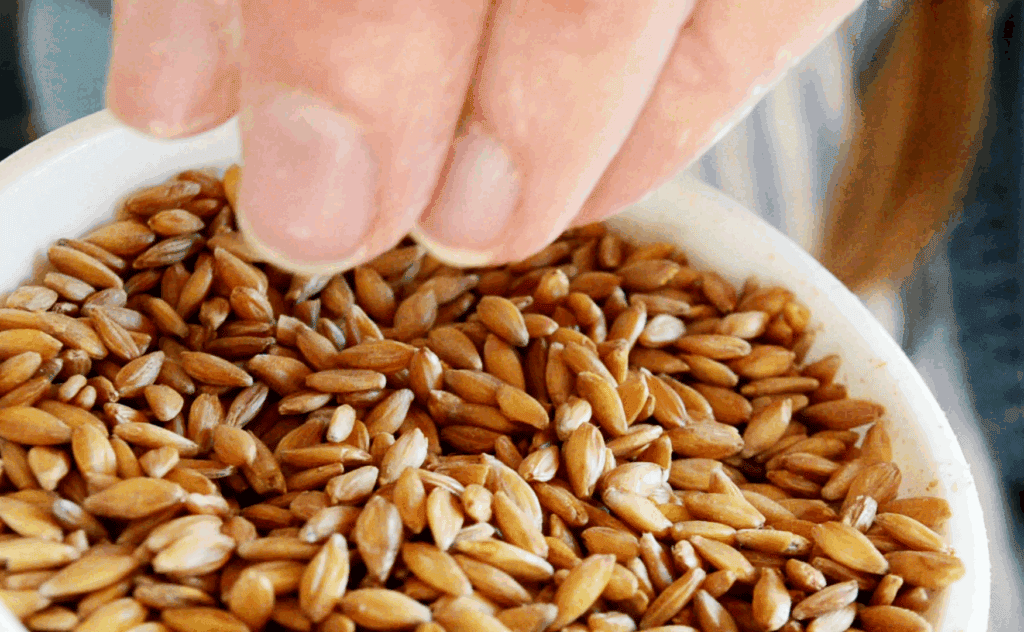
A solution to this is to use either organic whole wheat this is not ground (Grain berries) or ancient grain varieties like Einkorn, Kamut and Spelt. These are more original forms of the wheat grain.
Whole wheat flour has a lower gluten content then white flour because of the bran and germ in the grain kernel when it is ground. This is another reason we are highly encouraged to grind our own grain fresh! You are for sure getting the whole benefit and all the nutrients that the grain has to offer.
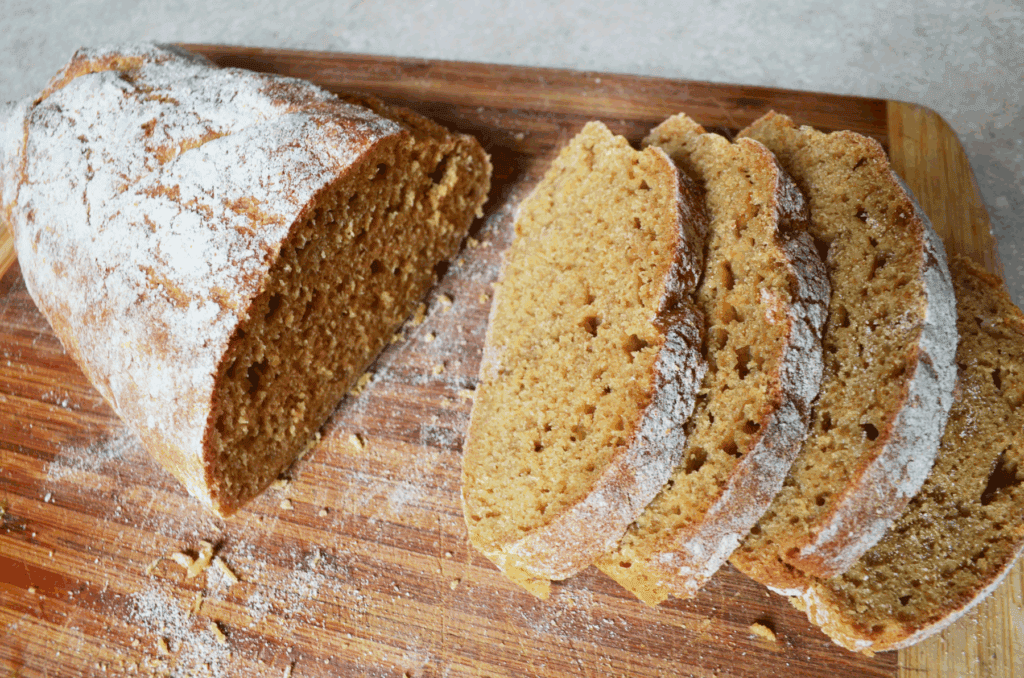
What Is Sourdough Bread?
Sourdough bread is nearly part of everyones vocabulary, if not part of their actual life right now. Maybe you’re hearing it mentioned amongst your friends or relatives or seeing it all over online?
Whether they are purchasing it at the store, making it oat home, or buying from a local home baker you might be wondering, what is sourdough bread exactly? – here’s a quick definition for you: it is the process of a bread dough made by fermentation and the natural use of lactic bacteria acid which is the natural yeasts in the environment around us, instead of commercial yeast as a leavening agent. It is essentially using wild yeast in it’s natural environment as opposed to a commercial yeast grown in a lab for quick and high rise results.
This type of bread is known for it’s health benefits from the fermentation by a sourdough starter and is a traditional method of bread baking that goes back hundreds of years.
Other options like Rye bread, whole wheat sourdough bread and spouted-grain sourdough bread are also becoming increasingly popular because they take the nutritional health level even deeper! Rye, whole wheat sourdough, and sprouted grain sourdough each offer additional health benefits ON TOP of the original white flour sourdough bread. Talk about the benefits of this! It is incredible, all there is to offer!
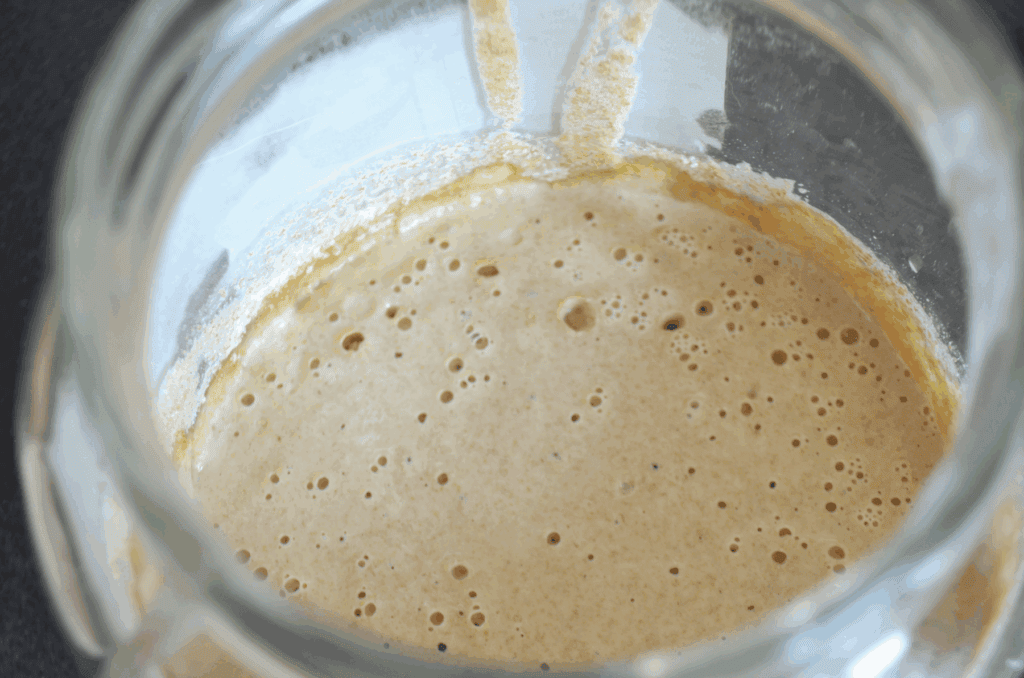
Nutritional Profile and Benefits of Ancient Grains
Since ancient grains have undergone minimal processing and have a simpler DNA structure, there are considerably more nutrients and health benefits available. They are are higher in minerals, resistant starch and fiber, have a higher protein content, contain B vitamins and antioxidants and offer better mineral absorption. Severral ancient grain varieties also have more digestible gluten structure (like Einkorn).
The high amounts of fibre that are found in ancient grains and unprocessed grains are found to help maintain healthy cholesterol and blood sugar levels as well as prevent type 2 diabetes.
Ancient grains are often more gentle on blood sugar levels due to nutrient density and the higher fiber content. They can also support digestive health due to greater diversity of fibers. See This Harvard Health article for more information.
Whole Wheat vs. Ancient Grains: A Three-Way Comparison
Here we are going to look at the various health concerns and issues many people deal with and are searching for the knowledge and information they need in order to decide which grain and bread type is best for their needs. We break each “health benefit” down comparing whole wheat, sourdough and ancient grains.
Nutrition & Fiber
While whole-wheat flour is known for being high in fiber and contains more nutrition then white flour, ancient grains surpass with higher amounts due to the minimal hybridization they go through. When combined with sourdough, which helps the nutrient absorption during the fermenting phase, you get the highest available amounts of health benefits and nutrients out of the bread as possible!
- Whole wheat: high fiber, consistent nutritional profile.
- Sourdough: improved nutrient availability due to lower phytic acid.
- Ancient grains: often highest in minerals, diverse fibers, and micronutrients.
Blood Sugar Impact & Glycemic Index
If you are one that is watching your blood glucose levels and blood sugar levels then you need to be aware which grain types might be the most harmful and the most beneficial for you to support your current health condition.
- Sourdough: usually lower GI / lower glycemic index / low GI because of fermentation.
- Whole wheat: moderate GI, better than regular white bread.
- Ancient grains: many have naturally lower GI, especially rye, emmer, sprouted grains, and oat bread.
Digestibility & Gut Health
When it comes to digestibility and gut health, sourdough, whole wheat and ancient grains can play a big role here and can add incredible support to making health issues much more manageable or improved!
Looking at how sourdough supports gut health and digestibly: The fermentation process breaks down the complex carbohydrates and proteins, and increases prebiotics which make it easier for your body to digest. It also feeds healthy bacteria to your gut.
Whole wheat is similar in that the fibers and nutrients in the grain (especially in the freshly milled flour) contains prebiotics (non digestible fibers) that feed the healthy bacteria in your gut, helping it to function better.

Ancient grains are known to be rich in many vitamins, nutrients, fibers, and minerals, which are involved in a healthy digestive system. The fibers can improve bowel regularity and overall digestion. So when sourdough, whole wheat and ancient grains are all used simultaneously, they can offer tremendous digestibility and gut health as they work together in harmony to support your digestion and overall gut health.
- Sourdough: the gluten is usually easier to digest, contains beneficial bacteria, may reduce IBS symptoms.
- Whole wheat: contains higher fiber but can aggravate sensitive digestion.
- Ancient grains: often better tolerated; rye and spelt may improve bowel regularity, though not appropriate for celiac disease.
Gluten Content & Sensitivity
Those having common gluten sensitivity, celiac disease, and irritable bowel syndrome, can often tolerate or even thrive on a diet containing ancient grain varieties! Most people don’t have the same negative reaction to ancient grains or grains milled at home compared to regular whole wheat or white flour is because the grain has undergone very minimal processing compared to boughten store bread or white flour. It has not been stripped of the bran, fiber and nutrients. The entire grain is present. I believe the wheat kernel should be eaten as a whole food. Together it is balanced and healthy. When the grains are separated and processed we are left with mostly the endosperm which is nutritionally lacking and imbalanced.
- Ancient grains: some (einkorn/spelt) have different gluten structures but still contain gluten.
- Sourdough: fermentation breaks down some gluten but not considered safe for celiac unless using gluten free grains.
- Whole wheat: highest gluten content, strongest dough.
It is important to keep in mind that some ancient grains (like spelt or emmer) are not suitable for gluten intolerance, though some people can tolerate them if they are long fermented.

Weight Loss & Satiety
You might be wondering is it possible to maintain a healthy weight or ultimately to be able to lose weight while eating healthy grains and breads.
While there is no grain or bread type that fully supports weight loss, depending on your body type, you can help your body maintain a weight loss regimen by choosing a better choice then white flour bread and including it as part of a healthy diet.
- Whole wheat: high fiber → best for fullness.
- Ancient grains: high fiber + micronutrients may help regulate appetite.
- Sourdough: slower digestion from fermentation → steadier hunger levels.
A Quick Glance: Which Type of Bread Is Healthiest?
Best for Gut Health
- Sourdough (especially whole wheat sourdough or rye sourdough) because of lactic acid bacteria.
Best for Blood Sugar
- Sourdough or breads made from rye, oats, or low-GI ancient grains.
Best for Weight Management
- Whole wheat or sprouted-grain bread.
Most Nutrient-Dense
- Ancient grains (einkorn, kamut, emmer, rye, sprouted grains).

Reading Labels in the Bread isle
As we’ve uncovered some of the hidden gems of health benefits in these amazing grain varieties and bread types, you are more knowledgeable and aware then ever before! You can better see what you are feeding your body in store bought bread vs. home baked bread.
If you are looking to make some health changes in the breads you purchase from the store, here’s what you need to look for when label reading in the bread isle:
- Avoid added sugars, high fructose corn syrup, food colorings
Look for:
- Whole grain flour as first ingredient
- Long fermentation process
- 100% whole wheat” or “100% ancient grain
- True sourdough vs commercial yeast breads (there will be bread labeled “sourdough” but it is mostly yeast based, with a minuscule amount of “sourdough” added, just so they can give it the sourdough title, when it is not actually real sourdough bread. Stick to the breads with basic and minimal ingredients like flour, water and salt.

The Conclusion
As we wrap up this study on the key differences between sourdough, whole wheat and ancient grains, the take-away is that each offers their own benefits for easier digestion, better gut-health and beneficial nutrients. The best choice between each is to actually use them all! Sourdough encourages beneficial gut bacteria while whole wheat and ancient grains contain the necessary fibers, minerals and other nutrients that our bodies are meant to have.
When used simultaneously the benefits are the most attainable and available for the body. Ultimately the best and healthiest option will depend on the personal goals of the individual, since each grain has a specific “perk”.
Using all three grains in your regular baking routine can offer a balanced and rounded healthy diet.
From the Hilltop,




Your article us well written, and explains to me why the sourdough bread i bake is easier on my intestines. I knew this by experience just didnt understand why it was so. While ibs can be hard to understand, with many causes & symptoms , this info is another key to managing the various, difficult symptoms Thanks for your research & willingness to share with others.
So great to hear Luann! I hesitated to do this post because Google is so strict on sharing things not from “medical professionals” so I wonder how much will actually get out to benefit others. I’m glad the research was worth it for you.